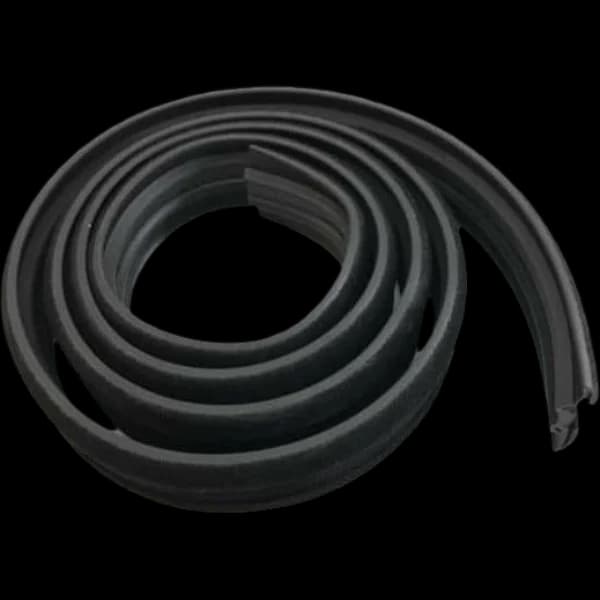

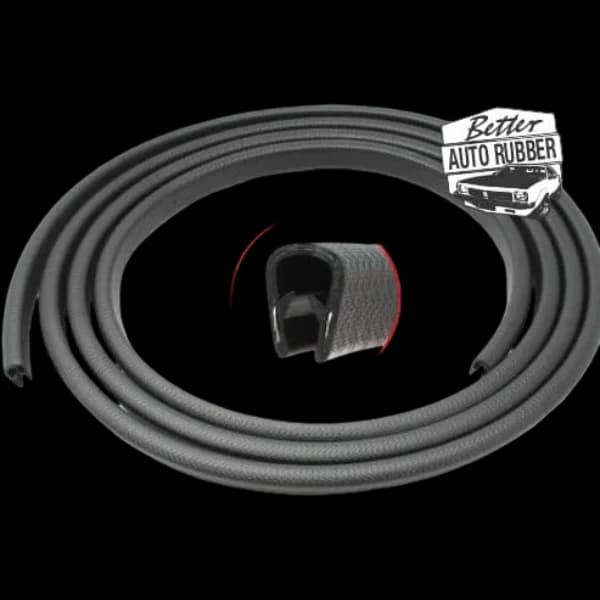
Pinchweld and door seals are the difference between a quiet, dry cabin and a whistling, wet one. Here is how to fit them properly.
Pinchweld is the clip-on rubber that runs around a door, boot or body opening. It grips the metal flange with an internal wire or "grip" carrier, and often carries a soft bulb that the door presses against to seal. Get the profile and grip range right and it simply pushes on — no glue needed.
Prep the flange first
Remove the old rubber, then clean and de-rust the flange. Any lump of old sealant or surface rust stops the new pinchweld seating evenly, which is the number-one cause of leaks. Treat bare metal so you are not sealing rust in for the next 20 years.
Fit from the bottom, work around, finish clean
Start at the lowest point so the join sits where water drains away, and press the carrier fully home as you go — don’t stretch the rubber, or it will shrink back and pull away from the corners. Cut the ends to meet neatly and, on bulb seals, make sure the bulb faces the door so it compresses correctly. A light smear of rubber-safe lubricant helps it slide over tight corners.
Ready to get the parts?
Browse the range and order online with Australia-wide delivery.
This article is general guidance for classic-car enthusiasts. Always work to your vehicle’s specifications and, where safety is involved, consult a qualified professional.